A Guide to Wildlife Control: Key Strategies and Dead Animal Removal Services
Animal control involves approaches intended to regulate animal populations and maintain secure surroundings. Understanding the impact of common intruders is essential for homeowners. Proper preventive measures can significantly minimize the likelihood of animal intrusions. Moreover, the swift elimination of dead wildlife is paramount for community health and well-being. However, many remain unaware of the key elements involved in effective wildlife control and the importance of professional services. What steps can be taken to safeguard homes and communities?
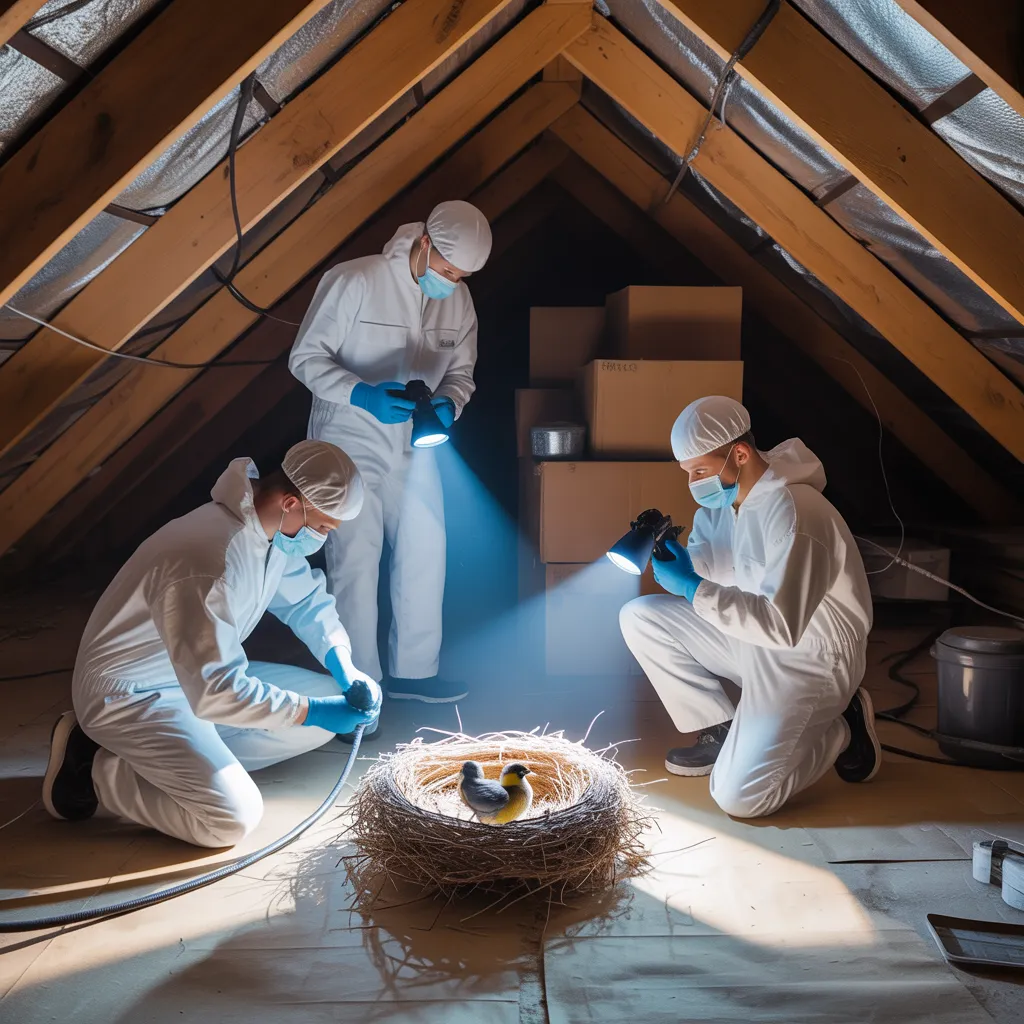
What Is Wildlife Control and Why Is It Important?
Wildlife control encompasses a range of methods focused on managing animal populations and their interactions with human environments. This discipline is critical for sustaining ecological harmony and limiting disputes between animals and people. Effective wildlife control helps safeguard public health by reducing the dangers linked to zoonotic diseases, which have the potential to pass from animals to humans.
Additionally, it safeguards crop and livestock welfare by handling species that may threaten farmland and animals. By utilizing humane methods, wildlife control supports coexistence, confirming that the interests of both humans and animals are given equal attention.
In addition, it serves to preserve ecological diversity by controlling invasive species that can destabilize local ecosystems. In summary, wildlife management is vital not only for enhancing safety and reducing property damage but also for encouraging a harmonious connection between people and the natural world.
How Typical Wildlife Invaders Cause Damage to Your Home
Typical wildlife pests create major hazards for households, resulting in structural harm that can undermine a home's stability. These animals are also known to pollute insulation materials, generating dangerous health risks for residents. Additionally, the presence of these animals raises electrical hazard concerns, since they are known to gnaw on electrical wiring, elevating the chances of fire outbreaks.
Structural Damage Risks
The occurrence of wildlife pests may result in significant structural damage in residential properties. Pests like raccoons, squirrels, and rodents often exploit gaps in the outer structure of buildings, establishing openings that undermine the integrity of the structure. Raccoons, as a prime example, can tear off roof materials and harm insulation, while squirrels may gnaw on electrical wiring and wooden beams, elevating the danger of fire-related incidents. Furthermore, tunneling animals can destabilize foundations by forming underground passages, amplifying the risk of foundation failure. With the passage of time, these breaches can allow moisture to enter, causing mold proliferation and timber deterioration. Residents ought to be watchful for evidence of wildlife infiltration to avoid expensive repairs and ensure the protection and durability of their homes. Timely response is critical to minimizing these dangers.
Insulation Contamination Concerns
Insulation acts as a vital defense against temperature variations, but it can quickly be undermined by intruding animals. Creatures such as rodents and wild animals can destroy insulation materials, forming openings that enable deeper access into residential structures. Their nesting habits often result in soiling the insulation with droppings, urine, and other debris, causing significant contamination. This not only reduces the insulation's performance but also creates health hazards through possible exposure to dangerous pathogens. Furthermore, decomposing animal remains can produce foul odors and draw in additional pests. Property owners should tackle insulation contamination quickly to preserve both energy performance and indoor air quality, underscoring the value of reliable wildlife control and corrective measures.
Electrical Risk Concerns
In what ways do wildlife intruders create electrical hazards in homes? Common wildlife, such as rodents and birds, can cause significant damage to electrical systems. Rodents especially are notorious for chewing through wires, leading to exposed conductors and the risk of short circuits. This creates not only a fire hazard but also elevates the risk of electrical shock for residents. Additionally, nesting materials from birds can obstruct ventilation systems or accumulate near electrical panels, thereby heightening fire hazards. Moreover, wildlife may introduce moisture through burrows or droppings, creating an environment conducive to corrosion and electrical failure. Managing these dangers through comprehensive wildlife control and consistent inspections is vital to ensuring a safe and secure living space.
How to Recognize Indicators of Wildlife Activity
Identifying signs of wildlife presence is essential for effective control strategies. Frequent evidence includes tracks, distinctive noises, and unusual odors that can indicate the presence of unwanted wildlife. Identifying these indicators promptly can assist in preventing harm to your property.
Popular Wildlife Track Identification
A large number of outdoor enthusiasts discover that identifying common animal tracks is crucial for understanding local ecosystems. Tracks vary by species, featuring unique shapes and dimensions. As an illustration, the tracks of deer appear heart-shaped, while raccoon prints exhibit a hand-like appearance with elongated fingers. The tracks of canines, including coyotes, present a notably oval shape accompanied by visible claw impressions. Observing the spacing between tracks can also provide clues about the animal's size and movement speed. Additionally, identifying claw marks can help differentiate between species; for instance, a bobcat's tracks show a lack of visible claws, unlike a dog's. Understanding these details aids in wildlife observation and conservation efforts, enriching the appreciation of nature.

Sounds and Odors
Recognizing wildlife activity often goes further than visual cues like trail markings; noises and smells play crucial roles as well. Sounds such as movement in the shrubbery, scraping within walls, or after-dark vocalizations can signal animals looking for sustenance or cover. Different species emit unique noises, helping to narrow down the likely animals involved. Scents likewise deliver essential information. A stale scent may suggest a obscured animal dwelling, while a foul odor could reveal a deceased animal in the vicinity. Identifying these sensory signs enables homeowners to act quickly. By remaining vigilant to both sounds and smells, residents can effectively assess wildlife existence and implement proper containment actions before the issue intensifies.
Wildlife Control: Effective Strategies for Preventing Animal Intrusions
Stopping wildlife intrusions requires a strategic approach that merges wildlife behavioral insights with practical deterrent strategies. Homeowners should first identify potential entry points, such as openings in walls, roof spaces, or crawl spaces, and secure them to prevent intrusion. Regular maintenance of the property, including clearing away waste and fastening trash containers, can prevent creatures from targeting the property as a food supply.
In addition, using natural repellents like motion-activated lighting or sound systems can ward off uninvited creatures. Landscaping choices also play a role; choosing native plants and sustaining a neat yard can minimize appeal for different species. Teaching residents about regional wildlife patterns strengthens awareness and promotes proactive efforts.
The Function of Professional Wildlife Control Services
When wildlife disturbances go beyond what homeowners can manage on their own, expert wildlife control services emerge as a critical resource. These dedicated services provide knowledge in detecting and resolving numerous wildlife concerns, ensuring both security and adherence to local guidelines. Skilled specialists employ humane capture methods and exclusion strategies to limit the disruption to local ecosystems while efficiently managing disputes with wildlife.
Moreover, these professionals often deliver in-depth assessments of homes to detect potential entry points that may attract future intrusions. By leveraging sophisticated tools and techniques, they can target the root causes try this of wildlife concerns, rather than merely addressing immediate concerns. This forward-thinking approach not only protects homes but also promotes coexistence with local wildlife. At the end of the day, enlisting professional wildlife control services assures that homeowners can handle difficult wildlife challenges in a safe and effective manner, decreasing risks to their homes and personal well-being.
Why Dead Animal Removal Matters
The existence of deceased animals on a property can pose significant health risks and draw in undesirable pests. Rotting carcasses discharge harmful bacteria and pathogens, which can taint soil and water resources, threatening the well-being of people and animals. Furthermore, the smell coming from a decomposing carcass can negatively impact the daily lives of surrounding residents and generate an uncomfortable atmosphere.
In addition, dead animals can become a feeding ground for scavengers, including rodents and insects, resulting in secondary infestations. This can develop into larger problems, calling for more extensive pest control measures. Acting quickly to remove dead animals is essential to mitigate these risks and restore safety to the environment.
Expert deceased animal removal solutions are prepared to manage these circumstances effectively, guaranteeing appropriate disposal and thorough sanitation. By addressing the issue swiftly, property managers can preserve their health, protect the integrity of surrounding ecosystems, and sustain the quality of their property.
What to Look for in a Wildlife Control Service?
Professional wildlife control services are essential for preserving a safe and healthy environment, especially after issues such as dead animal removal. A number of critical considerations should be kept in mind when selecting a wildlife control service. First, verify the company is licensed and insured, as this confirms their legitimacy and protects against liability. Industry experience is a critical factor; a company with a proven track record is more likely to handle various wildlife issues effectively.
In addition, ask about their approaches to wildlife removal and prevention, confirming they practice humane and environmentally friendly practices. Customer feedback and testimonials can provide insight into the company's trustworthiness and performance.
In addition, a trustworthy company should provide a thorough evaluation and follow-through to prevent future wildlife incursions. By assessing these criteria, clients can select a wildlife control service that focuses on efficiency, safety, and responsible methods.
Frequently Asked Questions
What Are the Legal Requirements for Wildlife Control in My Region?
Legal regulations for controlling wildlife vary by location, typically mandating permits for capturing and relocating animals. Local wildlife agencies provide guidelines, guaranteeing the humane handling of animals and conformity with wildlife conservation laws to preserve wildlife and natural ecosystems.
How Do I Safely Handle a Dead Animal on My Property?
To safely handle a dead animal, one should put on gloves, utilize a shovel to remove the body, double-bag the body, and discard it in compliance with local regulations, guaranteeing proper sanitation and reducing potential health risks.
What Are the Fees Associated With Wildlife Control Services?
The pricing for wildlife control services fluctuates considerably, generally falling between $100 and $1,500. Variables that impact pricing encompass the kind of wildlife present, degree of the wildlife problem, and necessary removal methods or preventative measures employed.
Can Wildlife Control Fully Eliminate the Risk of Future Infestations?
Professional wildlife management can greatly reduce the chance of recurring wildlife problems through proactive strategies, but it does not ensure absolute protection. Continuous oversight and upkeep are necessary to limit associated risks and address any potential issues promptly.
Which Types of Animals Need Specialized Removal Methods?
Certain animals, like raccoons, bats, and snakes, need specialized removal methods due to their unique behaviors and potential health risks. Professionals must employ specific methods to ensure safe and humane treatment throughout the handling and removal process.